
The value of jewelry is influenced by a variety of factors that go beyond its aesthetic appeal. Understanding these key elements can help you make informed decisions when purchasing, appraising, or selling a piece. Below, we explore the five primary factors that determine the value of your jewelry.
1. Type and Purity of Metal
The type and purity of metal used in your jewelry significantly impact its worth. Common metals include gold, silver, and platinum, each with unique characteristics:
– Gold: Valued by karat (e.g., 14K, 18K, or 24K), higher karat gold is purer but softer and less durable. – Silver: Sterling silver is the most popular form (92.5% pure), prized for its affordability and elegance. – Platinum: Renowned for its rarity and durability, platinum often commands a higher price than gold or silver.
Additionally, fluctuating market prices for precious metals can influence their value over time.
2. Gemstone Quality and Rarity
Gemstones are a defining factor in determining the price of jewelry. Their quality is assessed based on the “4 Cs”:
– Cut: A well-cut gemstone reflects light beautifully and enhances its brilliance. – Color: For colored gemstones like sapphires or rubies, intensity and consistency are key. – Clarity: Fewer inclusions or imperfections increase the gemstone’s desirability. – Carat Weight: Larger stones are rarer and typically more valuable.
Some gems also derive their value from rarity—natural diamonds or untreated sapphires are prime examples.
3. Craftsmanship and Design
A piece’s craftsmanship reflects both its artistic merit and attention to detail: – Handmade pieces often carry higher value due to intricate workmanship. – Unique designs created by renowned jewelers or designers add exclusivity. For antique or heirloom pieces, provenance (the story behind it) may also enhance their worth.
4. Condition of the Jewelry
Condition plays a critical role in determining resale value: – Damaged pieces with scratches or missing stones hold less appeal. – Regular maintenance such as polishing ensures longevity. For vintage items, original settings tend to be more desirable than restored ones when appraised by collectors.
| Condition Tier | Impact on Value |
| Excellent | Highest |
| Good | Moderate |
| Fair/Poor | Lowest |
5. Market Trends
Finally, market demand heavily influences pricing: – Rising popularity in specific styles—like minimalist trends—can increase interest in certain types of jewelry. – Vintage-inspired designs often see fluctuating demand based on cultural trends.
Understanding these five factors provides insight into what makes one piece more valuable than another. Whether you’re buying as an investment or cherishing an heirloom piece, paying attention to these details ensures you’re making a sound decision.
How Orange County Jewelry Sellers Choose Metal Types for Value and Style
The type of metal used in a piece of jewelry plays a crucial role in determining its value, durability, and overall aesthetic appeal. Different metals bring unique qualities to a piece and cater to various preferences and budgets. Understanding these differences can help you make informed decisions when selecting or assessing jewelry.
Popular Metals Used in Jewelry
| Metal | Characteristics | Common Uses | Value Considerations |
| Gold (Yellow, White, Rose) | Highly malleable; resistant to tarnish; available in karat grades (e.g., 14k, 18k) | Wedding bands, necklaces, bracelets | Higher karats are purer but less durable; alloys add strength |
| Platinum | Extremely durable; hypoallergenic; naturally white sheen | Engagement rings, fine jewelry | High value due to rarity and longevity |
| Silver | Affordable; soft metal that tarnishes over time | Everyday jewelry items | Lower cost but requires more maintenance |
| Palladium | Lightweight and durable; naturally white like platinum | Fine rings and earrings | Growing popularity due to hypoallergenic properties |
| Titanium | Lightweight yet strong; corrosion-resistant | Men’s wedding bands, modern designs | Affordability combined with durability |
Factors That Influence Metal Selection
1. Durability
- Metals like platinum and titanium are highly durable and resistant to scratches, making them ideal for everyday wear.
- Softer metals like gold (especially higher karats) require more care due to their susceptibility to dents.
2. Aesthetic Appeal
- Yellow gold offers a classic look that is timeless.
- White metals such as platinum or white gold provide a sleek and modern appearance.
- Rose gold adds warmth with its pink hue, offering a romantic touch.
3. Budget
- Gold is available in varying purities (10k-24k), allowing for flexibility based on budget.
- While platinum is more expensive upfront, its long-lasting nature offers great value over time.
- Silver remains one of the most affordable options but may not last as long as other choices.
4. Skin Sensitivity
- For those with sensitive skin or allergies, hypoallergenic metals like platinum or palladium are excellent choices.
- Lower-quality alloys may contain nickel or other irritants.
Enhancing Style Through Metal Choices
- Pairing diamonds with white gold or platinum enhances their brilliance due to the cool-toned setting.
- Colored gemstones like emeralds and rubies pair beautifully with yellow or rose gold for added warmth and contrast.
- Mixed-metal designs are increasingly popular for contemporary styles that blend tradition with modernity.
Tips for Maintaining Your Jewelry’s Metal
- Gold: Avoid exposure to harsh chemicals like chlorine; polish gently using a soft cloth.
- Platinum: Clean regularly with mild soap and water; it develops a patina over time which adds character.
- Silver: Use anti-tarnish solutions or cloths specifically designed for silver maintenance.
- Titanium & Palladium: Minimal upkeep required—simply clean occasionally to maintain shine.
By selecting the right metal based on your needs while considering its impact on both style and value, you can ensure that your jewelry remains both beautiful and meaningful over time.
How an Orange County Jeweler Evaluates Gemstone Quality, Size, and Rarity to Enhance Jewelry Value
When it comes to determining the worth of a piece of jewelry, gemstones play a pivotal role. Their quality, size, and rarity are crucial factors that can significantly enhance the value of your jewelry. Understanding these elements will not only help you appreciate what you own but also make informed decisions when purchasing new pieces. Below is an in-depth exploration of these factors.
1. Gemstone Quality
- Color:
The color of a gemstone is often its most defining characteristic. Gemstones with vivid, intense hues are typically more valuable. For example: - Sapphires in deep royal blue hues
- Emeralds with bright green tones without yellowish or brown undertones
- Rubies with rich red colors free from pink or orange tints
- Clarity:
Clarity refers to the absence or presence of inclusions (internal imperfections) or blemishes (surface imperfections). While some inclusions are acceptable in certain gemstones like emeralds, higher clarity usually increases value for stones such as diamonds and sapphires. - Cut:
A gemstone’s cut determines how well it reflects light and sparkles. A high-quality cut ensures precision in angles and symmetry, maximizing brilliance. - Carat Weight:
While larger stones are generally more valuable, their worth depends on how other quality factors align with their size.
2. Gemstone Size
Size plays a major role in assessing value since larger gemstones are rarer and more sought after. However, the relationship between size and value isn’t linear; instead, it grows exponentially for exceptionally large stones that maintain high-quality grades across all Four Cs.
For instance:
| Weight (Carats) | Approximate Value Increase* | Example Stones | |——————|—————————-|—————-| | Under 1 Carat | Moderate | Small diamonds/sapphires | | 1–3 Carats | Significant | Solitaire gemstones for rings | | Over 3 Carats | Exponential Growth | Collector-grade rubies/emeralds |
(*Approximate values vary depending on quality and market demand.)
3. Rarity of Gemstones
- Tanzanite: Found only near Mount Kilimanjaro in Tanzania; supply limitations drive up its value.
- Paraiba Tourmaline: Known for its electric blue-green colors; extremely rare deposits exist primarily in Brazil.
- Alexandrite: Unique due to its color-changing properties from greenish daylight tones to reddish hues under artificial light.
- Pink Diamonds: Exceptionally rare among colored diamonds; often found at auction houses commanding record-breaking prices.
Natural rarity combined with market demand increases both short-term appeal and long-term investment potential for these stones.
Key Takeaways
When selecting or appraising jewelry featuring gemstones, consider these essential points: – High-quality stones with vibrant color, excellent clarity, precise cuts, and significant carat weight hold greater value. – Larger sizes increase worth exponentially when matched with superior quality. – Rare gemstones have both aesthetic allure and financial investment potential due to limited availability.
By understanding how gemstone quality, size, and rarity contribute to overall worth, you’ll be better equipped to select pieces that hold lasting beauty as well as financial significance over time.
How Gemstone Quality, Size, and Rarity Enhance Your Jewelry’s Worth
1. Quality of Gemstones
- Cut: A gemstone’s cut influences its brilliance and sparkle by determining how light reflects through it. Well-cut gemstones maximize beauty and value, whereas poorly cut stones may appear dull or lifeless.
- Color: The hue, tone, and saturation of a gemstone significantly impact its appeal and worth. For example:
- Diamonds with a color grade closer to “D” (completely colorless) are more valuable.
- Vividly saturated rubies or emeralds command higher prices than pale or overly dark ones.
- Clarity: Clarity measures the presence of inclusions (internal flaws) or blemishes (surface imperfections). Gemstones with fewer imperfections are rarer and thus more valuable.
- Carat Weight: Larger carat weights often lead to higher valuations as bigger stones are less common in nature. However, carat weight alone does not determine value—it must be considered together with other factors like cut and clarity.
Table: Example of Diamond Quality Grading System
| Factor | High Value Grade | Low Value Grade |
| Cut | Excellent | Poor |
| Color | D-F (Colorless) | J-Z (Yellow Tint) |
| Clarity | FL-VVS2 (Flawless/Very Slight Inclusions) | I1-I3 (Included) |
| Carat Weight | 2+ carats | < 0.50 carats |
2. Size Matters
The size of a gemstone directly correlates with its rarity. Larger gemstones require extraordinary geological conditions to form naturally over millions of years, making them scarce compared to smaller counterparts.
- For diamonds, gemstones weighing over 1 carat exponentially increase in price per carat due to scarcity.
- Colored gemstones like sapphires or emeralds shift dramatically in value when they exceed certain size thresholds while maintaining high-quality standards.
Pro Tip:
When evaluating size, remember that proportion also impacts visual appeal—an excessively shallow or deep cut can make even large stones appear lackluster.
Rarity Enhances Demand
- Certain gemstones like alexandrite change color under different lighting conditions—a rare phenomenon that increases their uniqueness.
- Tanzanite is found only near Mount Kilimanjaro in Tanzania.
- Kashmir sapphires from India are highly coveted due to their vibrant blue tones.
Rare gems often hold historical significance too; heirloom-quality pieces featuring vintage cuts carry added intrinsic value beyond just material worth.
Practical Buying Tips
- Opt for certifications from reputable gemological labs such as GIA (Gemological Institute of America) or AGS (American Gem Society). These reports verify authenticity and quality.
- Work closely with trusted jewelers who can guide you through factors like origin stories and grading nuances.
- Consider balancing size with quality for optimal aesthetic appeal without overspending unnecessarily.
By focusing on the interplay between quality metrics, size advantages, and rarity considerations when choosing your jewelry pieces, you’ll be making decisions rooted in both style enhancement and long-term financial wisdom.
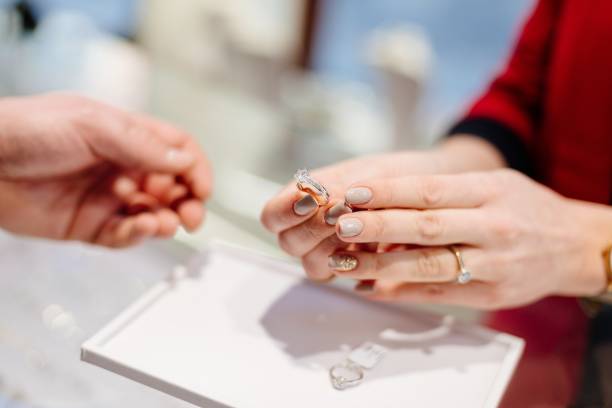
5 Key Factors That Determine the Value of Your Jewelry
The value of jewelry is influenced by a combination of distinct elements that are both tangible and intangible. Whether you are looking to purchase, sell, or simply understand the worth of your pieces, knowing these key factors can make all the difference. Below, we take a closer look at what determines the value of your jewelry.
1. Type and Purity of Metal
The type and purity of the metal used in your jewelry play a significant role in its valuation. Common metals include gold, silver, platinum, and newer options such as titanium or palladium. The purity level—measured in karats for gold or marked as sterling for silver—directly impacts market value.
- Gold: 24K is pure gold but is often mixed with other metals for durability (e.g., 18K or 14K).
- Platinum: Highly durable and rare, making it one of the most expensive options.
- Silver: While abundant, sterling silver (92.5% pure) retains decent value when well-maintained.
| Metal Type | Durability | Value Range per Gram (Approx.) |
| Gold | Moderate | $50–$70 |
| Platinum | Very High | $30–$60 |
| Silver | Low | $0.60–$1 |
2. Gemstone Quality and Rarity
When evaluating gemstones on a piece, experts focus on four factors collectively known as the “Four Cs”: cut, color, clarity, and carat weight.
- Cut: A well-executed cut enhances brilliance and overall appearance.
- Color: For diamonds, colorless stones fetch higher prices; for colored gemstones like emeralds or rubies, vivid hues are preferred.
- Clarity: Fewer inclusions result in higher gemstone values.
- Carat Weight: Larger stones typically command greater worth.
Rare gemstones such as Tanzanite or Alexandrite often increase a piece’s overall rarity and market appeal.
3. Craftsmanship
The intricacy and skill involved in crafting jewelry directly affect its uniqueness and intrinsic value. Handcrafted pieces often fetch higher prices compared to mass-produced items due to their fine detailing and personal touch.
Influential craftsmanship factors: – Symmetry in design – Flawless settings for stones – Seamless metalwork – Innovative techniques like filigree work or hand engraving
4. Condition
Jewelry that appears close to its original condition tends to hold greater resale or appraised value. Scratches, dents, missing stones, tarnishing on metals—all these can significantly diminish worth if not rectified through proper restoration efforts.
Key maintenance tips: – Store pieces individually to prevent scratches. – Clean regularly using appropriate materials for specific metals or stones.
5. Historical Significance or Brand Prestige
Certain jewelry gains additional value from historical importance (e.g., antique estate pieces) or associations with renowned brands like Tiffany & Co., Cartier, or Van Cleef & Arpels. Such items often carry emotional appeal alongside material worth.
In summary: Understanding these five critical aspects—metal type/purity, gemstone quality/rarity, craftsmanship excellence, condition preservation efforts, and brand/historical reputation—can help assess your jewelry’s true monetary and sentimental value effectively.
Designing Custom Jewelry for Special Occasions at an Orange County Jewelry Shop
Designing custom jewelry for special occasions is a meaningful and personal way to commemorate milestones, celebrate achievements, or express individuality. Whether you’re crafting an engagement ring, a family heirloom, or a unique anniversary gift, understanding the process can help you make informed decisions. Here’s an in-depth look at the key considerations for designing custom jewelry.
Benefits of Custom Jewelry
- Personalization: Tailor the design to reflect your personality or symbolize a specific meaning.
- Unique Design: Create one-of-a-kind items that stand out from conventional designs.
- Emotional Value: A custom piece often holds greater sentimental value due to its thoughtful creation process.
- Quality Control: Work closely with jewelers to choose high-quality materials and craftsmanship.
Understanding the Design Process
- Concept Development
Start by brainstorming ideas for your ideal piece. Consider factors such as the type of jewelry (ring, pendant, bracelet), style preferences (modern, vintage-inspired), and any symbolic elements you’d like included. - Sketching and Visualization
Collaborate with your jeweler to bring your idea to life through sketches or 3D renderings. This ensures all details are aligned before crafting begins. - Material Selection
Choose metals, gemstones, or other materials based on durability, aesthetics, and personal significance: - Popular metals include platinum, gold (yellow, white, rose), and sterling silver.
- Gemstones such as diamonds, sapphires, emeralds, and rubies add brilliance and color.
- Crafting the Piece
Skilled artisans use techniques like handcrafting or casting to create your finished piece while ensuring precision in every detail.
Factors to Consider When Designing Custom Jewelry
Budget
Establish a realistic budget upfront to guide material selection and design complexity without compromising quality.
Metal Choices
Different metals carry distinctive properties: | Metal Type | Pros | Cons | |——————–|—————————-|——————————| | Platinum | Durable; hypoallergenic | Expensive; heavier | | Yellow Gold | Classic appearance | Prone to scratches | | White Gold | Modern aesthetic; durable | Requires rhodium plating | | Rose Gold | Unique warm tone | May not suit all skin tones |
Gemstone Quality
Evaluate gemstones using the “4 Cs” method: – Cut: Influences brilliance. – Clarity: Assesses inclusions or blemishes. – Color: Determines vibrancy. – Carat Weight: Affects size and price.
Symbolic Elements
Incorporate special features such as engravings (dates/names) or motifs that hold sentimental meaning.
Tips for Working With Jewelers
When collaborating with a jeweler: – Research their portfolio and reviews before committing. – Communicate openly about your vision and expectations. – Request regular updates during the crafting phase. – Confirm warranties or guarantees on materials/workmanship.
Designing custom jewelry is an investment in artistry and sentimentality that ensures a piece truly represents its wearer’s story while celebrating life’s most cherished moments.
A Comprehensive Guide to Selecting the Best Metals for Men’s Wedding Bands
When selecting a wedding band, men often prioritize durability, style, and comfort. The metal you choose plays a significant role in achieving these qualities while also reflecting your personal taste and lifestyle. This guide breaks down the most popular metals for men’s wedding bands and their unique characteristics.
1. Platinum: A Timeless Choice
Platinum is one of the most sought-after metals for men’s wedding bands due to its luxurious appearance and durability.
Key Features: – Durability: Extremely strong and resistant to wear, making it ideal for daily wear. – Hypoallergenic: Perfect for those with sensitive skin or metal allergies. – Appearance: Offers a naturally white sheen that doesn’t fade over time.
Considerations: – Higher price point compared to other metals. – Denser than other metals, resulting in a heavier ring.
2. Gold: Versatile and Classic
Gold is a traditional choice that comes in various colors and karats to suit different preferences.
Types of Gold: | Type | Description | Pros | Cons | |—————-|————————————————–|———————————-|———————————| | Yellow Gold | Pure gold mixed with copper and silver alloys | Warm, traditional tone | Softer; may scratch easily | | White Gold | Alloyed with palladium or nickel; rhodium-coated | Sleek, modern appearance | Rhodium plating requires upkeep | | Rose Gold | Mixed with copper for a pink hue | Unique vintage aesthetic | May tarnish over time |
Karats Explained: The purity of gold is expressed in karats (e.g., 18K gold is 75% pure). Higher purity offers more luster but is softer, while lower purity increases strength.
3. Tungsten Carbide: Durable and Contemporary
Tungsten carbide has become increasingly popular due to its incredible strength and affordability.
Advantages: – Highly scratch-resistant. – Retains its polish for years without regular maintenance. – Affordable compared to precious metals.
Limitations: – Brittle—can crack under extreme pressure or if dropped on hard surfaces. – Cannot be resized once crafted into a ring.
4. Titanium: Lightweight Elegance
Titanium combines strength with remarkable lightness, making it an excellent option for men who prefer comfort along with durability.
Why Choose Titanium? – Very lightweight—ideal for individuals who do not want a heavy ring. – Corrosion-resistant, even when exposed to water or chemicals.
Things to Note: – Limited options when it comes to resizing or intricate designs. – Not as traditional-looking as gold or platinum.
5. Palladium: The Affordable Platinum Alternative
Palladium belongs to the same family as platinum but comes at a lower cost while offering similar features.
Benefits of Palladium: – Naturally white finish that doesn’t require plating. – Lightweight yet durable enough for everyday wear.
Drawback:
Limited availability compared to more common metals like gold or titanium.
Factors To Consider When Choosing Your Metal
- Lifestyle Requirements: Active lifestyles may need stronger materials like tungsten or titanium.
- Maintenance Needs: Precious metals often require periodic polishing; consider how much upkeep you’re willing to do.
- Skin Sensitivities: Opt for hypoallergenic options like platinum or titanium if you have allergies.
- Budget: While platinum offers unmatched luxury, alternatives like palladium deliver similar advantages at a more affordable price point.
- Style Preferences: Consider whether you want something classic (gold) or contemporary (tungsten/titanium).
Choosing the right metal ensures not only longevity but also that your wedding band reflects your personal identity—a meaningful symbol that will last throughout your marriage journey.
- How Orange County Jewelry Sellers Authenticate and Spot Fake Pieces
- Understanding Which Pieces Hold or Increase Their Value Over Time: Insights from Orange County Jewelry Sellers
- Authenticating Vintage Designer Jewelry with an Orange County Jeweler’s Expertise
- 5 Key Factors That Determine the Value of Your Jewelry at a Jewelry Store in Orange County
- A Comprehensive Guide for Orange County Jewelry Sellers to Identify and Authenticate Vintage Pieces
- How Jewelry Styles and Trends Have Evolved Over the Decades at a Jewelry Store Orange County
- How Orange County Jewelry Sellers Source Materials and Craft Stunning Designs